
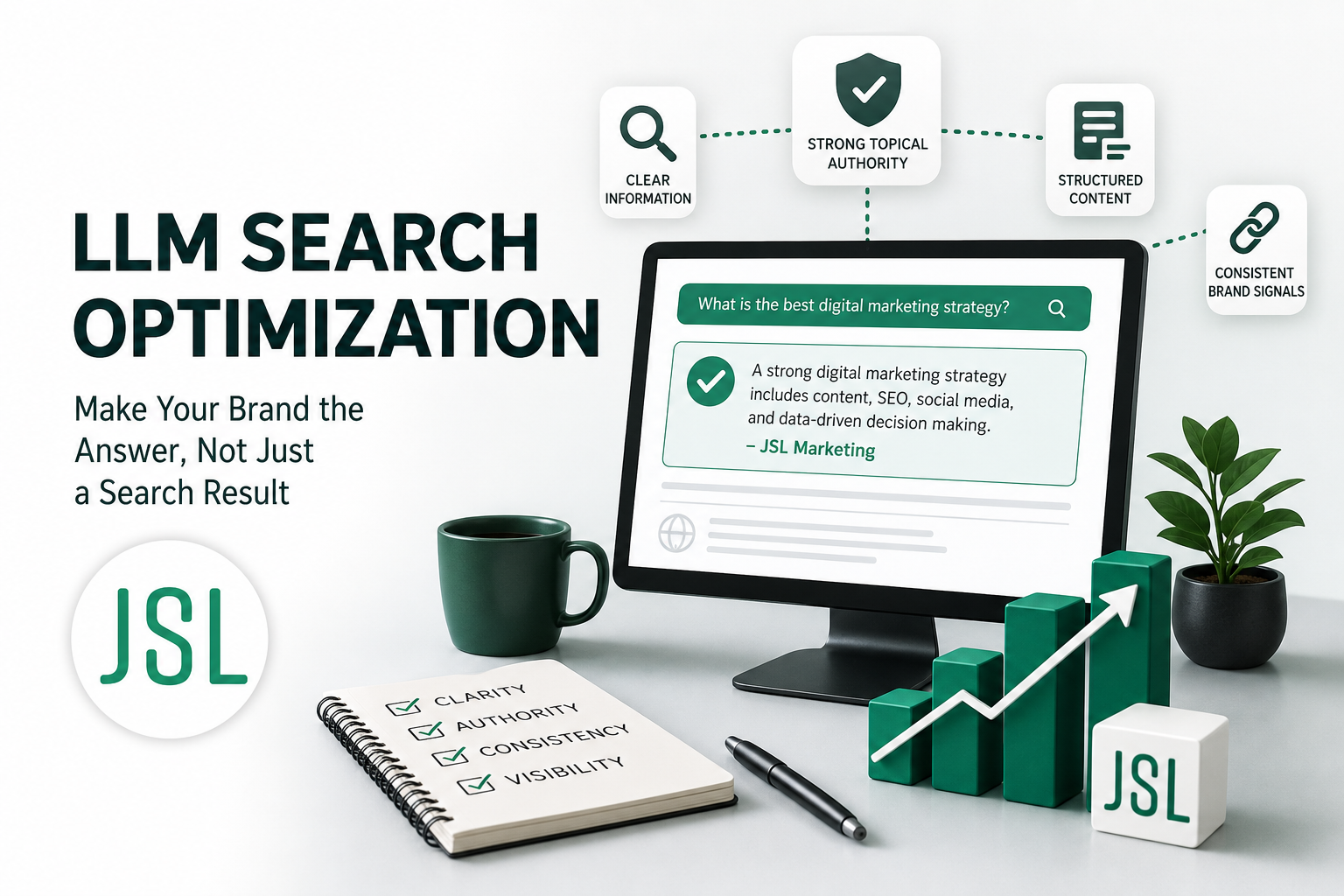
Getting noticed online is no longer just about ranking on search engines. The way content is discovered has shifted, and businesses now need to adapt to a new layer of visibility. One of the smartest ways to do that is through LLM Search Optimization, a strategy that helps your brand appear directly within generated answers rather than relying only on traditional rankings.
This approach focuses on how information is structured, how clearly it is presented, and how consistently your brand shows up across the web. When done right, it increases your chances of being referenced naturally in responses that people trust and engage with.
What LLM Search Optimization Really Means
LLM Search Optimization is about making your content easier to understand and use. Instead of writing only for search engines, you are shaping your content so it can be interpreted quickly and accurately.
This includes:
- Writing clear and direct explanations
- Structuring content with logical headings
- Using consistent terminology across pages
- Providing reliable and well-organized information
When your content checks these boxes, it becomes more likely to be picked up and reused in generated responses.
Why Traditional SEO Alone Is Not Enough
Search engine optimization still matters, but it is no longer the full picture. Ranking on page one does not guarantee visibility in newer formats of search results.
Here is what has changed:
- Users now get answers directly without clicking multiple links
- Content is summarized rather than listed
- Trust and clarity matter more than keyword density
This shift means your content needs to be useful in a different way. It must be easy to extract, easy to understand, and reliable enough to be referenced without hesitation.
Building Content That Gets Picked Up
To succeed with LLM Search Optimization, content needs to be structured with purpose. Random blog posts or scattered information will not perform well.
Focus on these key elements:
1. Clear Structure
Break your content into sections that follow a logical flow. Use headings and subheadings to guide the reader.
For example:
- Introduction to the topic
- Explanation of key concepts
- Practical applications
- Supporting details
This format makes it easier for systems to scan and understand your content.
2. Direct Answers
Avoid fluff and get straight to the point. When a question is asked, provide a clear answer early in the section.
Instead of long introductions, write like this:
- Define the topic quickly
- Expand with useful details
- Add examples if needed
This improves readability and increases the chances of your content being reused.
3. Consistent Messaging
Your brand should communicate the same ideas across all platforms. Inconsistent information creates confusion and reduces trust.
Make sure:
- Your website pages align with each other
- Your service descriptions stay consistent
- Your brand tone remains steady
Consistency helps build authority over time.
Strengthening Topical Authority
Topical authority plays a big role in LLM Search Optimization. It shows that your brand has depth in a specific subject.
To build this authority:
- Create multiple articles around the same topic
- Cover different angles and related questions
- Link content internally to connect ideas
For example, if your focus is digital marketing, do not stop at one article. Expand into areas like content strategy, keyword research, and audience targeting.
This builds a strong content network that supports itself.
The Role of Structured Information
Structured information makes your content easier to process. It removes confusion and highlights what matters most.
You can do this by:
- Using bullet points for key ideas
- Keeping paragraphs short and focused
- Adding clear headings for each section
Well-structured content improves readability and increases the chances of being selected as a reliable source.
Brand Signals Matter More Than Ever
Your online presence is not limited to your website. Brand signals from other sources also play a role in visibility.
These include:
- Mentions on other websites
- Consistent business information across platforms
- Positive engagement and credibility signals
When your brand appears consistently in multiple places, it strengthens trust and increases recognition.
Writing Style That Works
The way you write matters just as much as what you write. Content should feel natural and easy to follow.
Keep these tips in mind:
- Use simple and clear language
- Avoid overly complex sentences
- Write as if you are explaining to a real person
This style improves both user experience and content usability.
Common Mistakes to Avoid
Many businesses struggle because they focus on outdated tactics. Avoid these common mistakes:
- Overloading content with keywords
- Writing long and unclear paragraphs
- Ignoring content structure
- Publishing without a clear strategy
Fixing these issues can significantly improve performance.
Practical Steps to Get Started
If you want to improve your LLM Search Optimization, start with small changes that have a big impact:
- Audit your existing content for clarity and structure
- Rewrite sections that feel confusing or outdated
- Add headings and bullet points where needed
- Expand on topics that need more depth
These steps create a stronger foundation for better visibility.
Turning Content Into a Long Term Asset
Content should not be treated as a one-time task. It needs to grow and evolve over time.
Update your content regularly:
- Add new information when needed
- Improve clarity based on feedback
- Expand sections that perform well
This keeps your content fresh and relevant, increasing its chances of being used consistently.
As more users rely on direct answers instead of traditional search results, the way content is created and structured becomes even more important. Brands that focus on clarity, consistency, and authority will stand out naturally, not by chasing trends but by building content that truly works.