
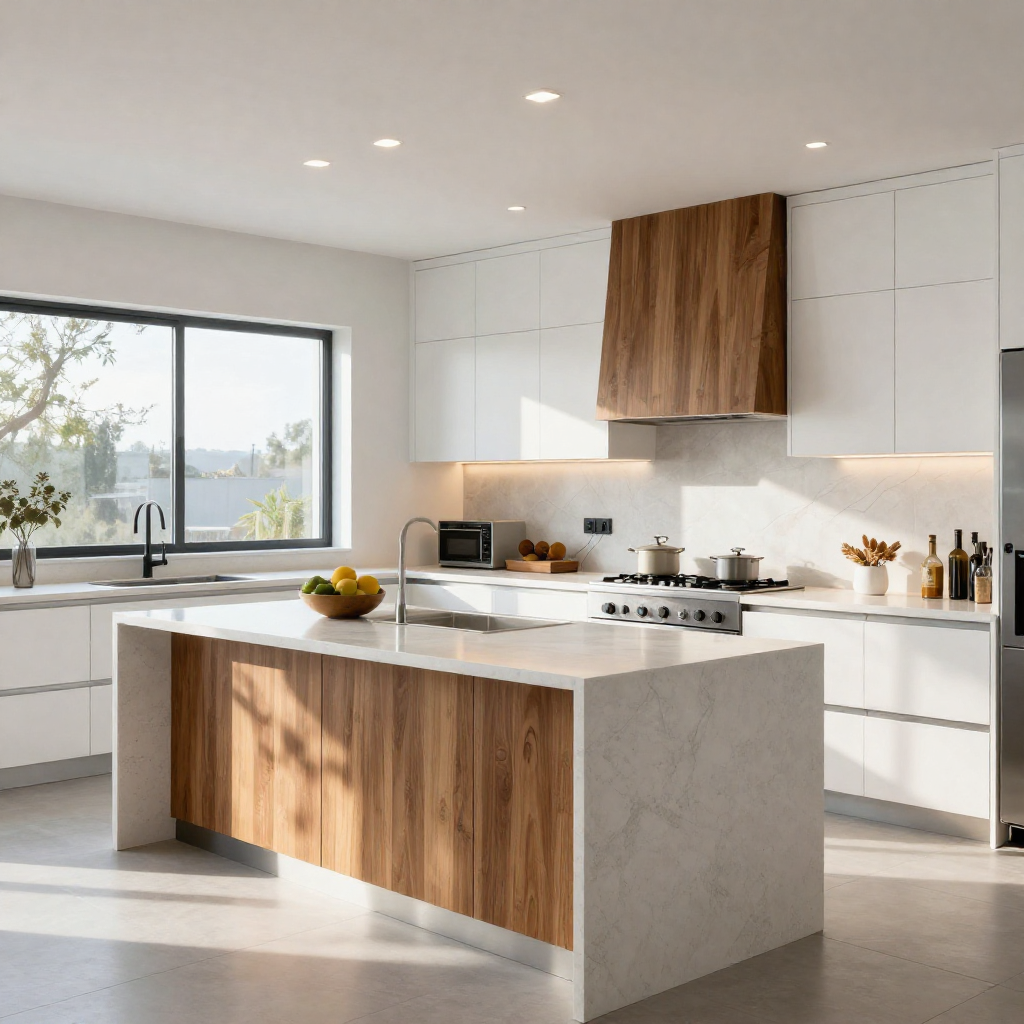
Modern interior design is placing greater attention on the connection between building materials and indoor environments. GREENGUARD-certified surface materials provide a practical option for projects that prioritize responsible material choices, durability, and healthier indoor spaces.
As architects, designers, and property owners consider the long-term impact of their selections, certified surfaces are becoming an important part of thoughtful construction and renovation planning. Companies such as Hyundai L&C support these goals by offering surface solutions designed for a wide range of residential and commercial applications.
Why GREENGUARD Certified Surface Materials Matter in Modern Spaces
Indoor air quality has become a major consideration in residential, hospitality, healthcare, and commercial design. Many everyday products used in buildings can release chemical compounds known as volatile organic compounds (VOCs), which may affect indoor environments.
GREENGUARD certified surface materials are tested to help confirm that they meet strict standards for low chemical emissions. This certification provides designers, builders, and consumers with additional information when selecting materials for spaces where people spend significant amounts of time.
Certified surfaces can be especially valuable in environments such as:
- Homes with kitchens, bathrooms, and living areas
- Offices and workplace interiors
- Schools and educational facilities
- Healthcare settings
- Hospitality properties
Choosing materials with verified emission standards helps create spaces that align with modern expectations for comfort, safety, and responsible design.
Understanding GREENGUARD Certification and Surface Performance
GREENGUARD certification focuses on evaluating products based on their chemical emissions during use. The testing process examines how materials perform in controlled conditions to determine whether they meet established indoor air quality requirements.
For surface materials, certification is one factor that can help guide product selection. However, performance also depends on additional qualities such as durability, maintenance needs, appearance, and application requirements.
When selecting surfaces for a project, professionals often consider:
Indoor Air Quality Requirements
Low-emitting materials can contribute to better indoor environments by limiting the amount of airborne chemicals released from finished products.
Durability and Daily Use
Countertops, wall panels, and other surfaces must withstand regular contact, cleaning, and general wear. Materials should maintain their appearance and function over time.
Design Flexibility
Modern projects require surfaces that support different styles, from minimalist interiors to detailed architectural concepts. A wide selection of colors, patterns, and finishes allows designers to meet various visual goals.
Maintenance Expectations
Surface materials should match the cleaning routines and operational needs of the space. Easy-care options can support efficient upkeep in busy environments.
How GREENGUARD Certified Surface Materials Support Sustainable Interior Design
Sustainable design is no longer limited to energy efficiency and recycled materials. Material selection also plays an important role in creating responsible buildings.
GREENGUARD-certified surface materials can support sustainability-focused projects by providing transparency about product emissions. While certification does not represent every aspect of environmental performance, it gives project teams valuable information when comparing material options.
A thoughtful approach to sustainable interiors includes:
- Reviewing product certifications and testing information
- Considering the full life cycle of materials
- Selecting durable surfaces that require fewer replacements
- Choosing products that support healthier indoor environments
By evaluating multiple factors together, designers can create spaces that balance aesthetics, performance, and environmental considerations.
Applications for Certified Surface Materials Across Different Industries
Surface materials are used in many settings, and each application has specific requirements. Certified options can be suitable for projects where indoor air quality and reliable performance are important priorities.
Residential Interiors
Homeowners are paying closer attention to the materials used in kitchens, bathrooms, and common living spaces. Surfaces with certification information can provide additional confidence during renovation or new construction projects.
Kitchen countertops, bathroom vanities, and custom interior surfaces must combine appearance with practical performance. Materials that resist everyday wear while meeting indoor air quality standards can be a valuable choice for residential applications.
Commercial Workspaces
Offices and commercial buildings require materials that support both employee comfort and long-term maintenance. Reception areas, conference rooms, workstations, and shared spaces benefit from surfaces that provide dependable performance.
Certified materials can also support organizations pursuing green building goals or seeking to demonstrate attention to indoor environmental quality.
Healthcare and Hospitality Environments
Healthcare facilities and hospitality spaces often require materials that balance cleanliness, durability, and design. Surfaces in these environments experience frequent use and regular cleaning.
Material choices should consider hygiene requirements, appearance retention, and the ability to support comfortable surroundings for patients, guests, and staff.
Key Factors to Consider Before Choosing Surface Materials
Selecting the right surface requires more than focusing on appearance alone. A successful material choice should match the needs of the project while supporting long-term performance.
Before making a decision, consider these factors:
Certification and Testing
Review available certifications and product information to understand how materials meet indoor air quality standards. Verified testing provides useful guidance during the selection process.
Application Needs
Different spaces require different performance characteristics. A kitchen countertop may need stain resistance and durability, while a decorative wall application may prioritize appearance and design flexibility.
Installation Requirements
Professional fabrication and installation influence how well a surface performs. Proper installation helps maintain the intended appearance and functionality of the material.
Long-Term Maintenance
Consider cleaning requirements, repair options, and expected lifespan. Materials that align with maintenance expectations can provide better value over time.
The Growing Importance of Material Transparency
Today’s buyers and design professionals want more information about the products used in their spaces. Material transparency allows project teams to make decisions based on verified details rather than appearance alone.
Certifications such as GREENGUARD provide a clearer understanding of product performance related to indoor air quality. This information can support better communication between manufacturers, designers, contractors, and clients.
As building standards continue to place more attention on healthier interiors, certified materials will remain an important consideration in future projects.
Creating Better Interiors Through Informed Material Choices
The surfaces selected for an interior project influence more than visual appeal. They affect maintenance routines, daily experiences, and the overall quality of a space.
GREENGUARD certified surface materials offer an option for those seeking tested solutions with a focus on lower chemical emissions and reliable performance. Manufacturers like Hyundai L&C provide surface solutions that support modern design requirements while helping professionals make informed material choices.
By considering certification, durability, design preferences, and application requirements together, professionals can select surfaces that support modern interior demands. Careful research and informed decision-making help create interiors that are functional, attractive, and designed for long-term use.
As awareness of indoor environmental quality continues to grow, certified surface materials will remain a valuable part of responsible architectural planning.