
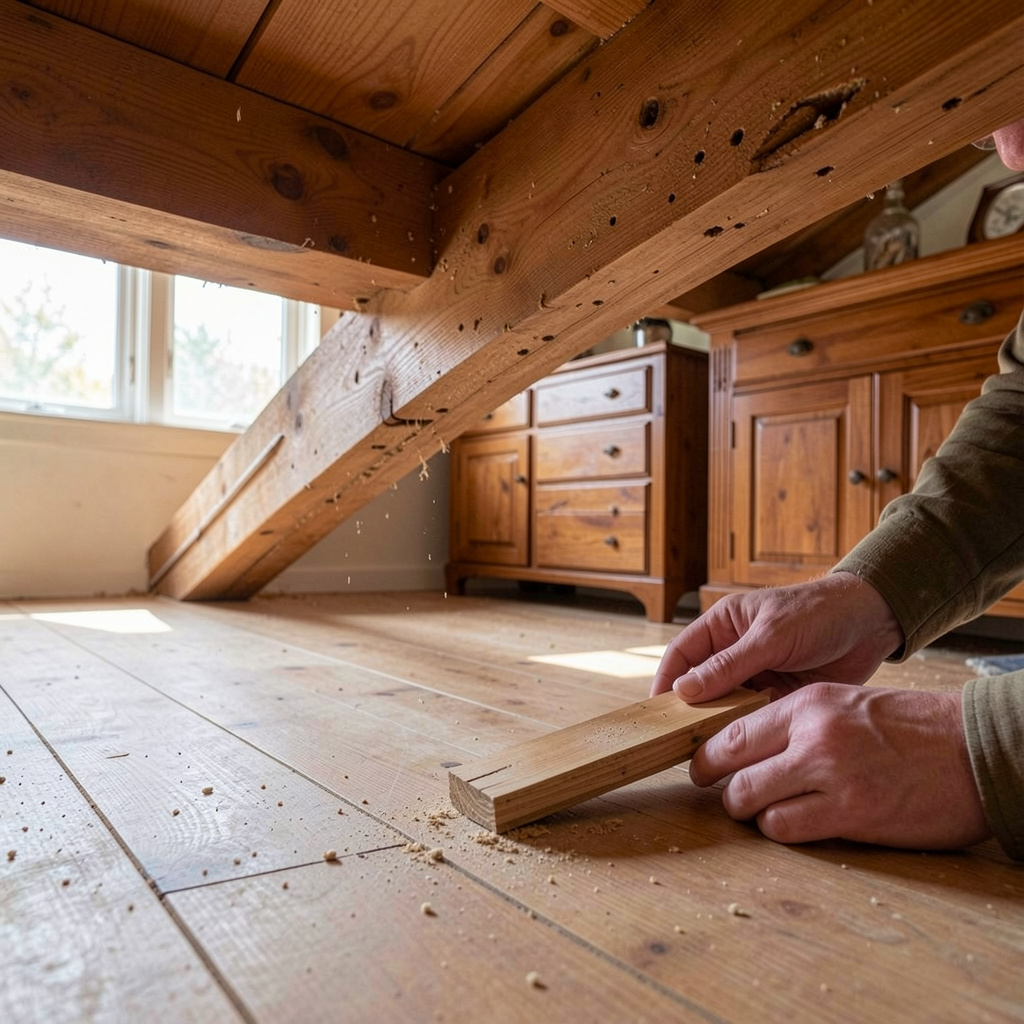
Wooden furniture adds beauty, warmth, and long-term value to any home. From antique cabinets and dining tables to chairs, bookshelves, and decorative pieces, wood remains one of the most popular materials for furniture. However, because wood is a natural material, it can become vulnerable to insect damage over time.
Wood-boring insects such as woodworm, powderpost beetles, termites, and carpenter ants can quietly damage furniture from the inside. In many cases, homeowners do not notice the problem until they see tiny holes, powdery dust, loose joints, or weakened wood. Unfortunately, by that point, damage may already be progressing.
The good news is that wooden furniture can often be saved, especially when insect damage is discovered early. With the right treatment methods, proper maintenance, and preventive care, homeowners can protect valuable furniture and avoid unnecessary replacement.
Many homeowners researching timber care through shashel.eu/ understand that early action is one of the best ways to preserve wooden furniture and prevent costly damage.
In this guide, we will explain how to save wooden furniture from insect damage and protect it for the future.
What Causes Insect Damage in Wooden Furniture?
Several insects can attack wooden furniture.
Common Wood-Damaging Insects Include
- Woodworm beetles
- Powderpost beetles
- Termites
- Carpenter ants
Why Furniture Becomes Vulnerable
Wood damage becomes more likely when furniture is:
- Damp
- Poorly stored
- Untreated
- Cracked
Moisture and poor ventilation often increase infestation risk.
Older and antique furniture may be more vulnerable.
Step 1: Identify the Signs of Insect Damage
The first step is recognizing warning signs early.
Tiny Holes in Wood
Small round holes often indicate woodworm or beetle activity.
Powdery Dust (Frass)
Fine dust around furniture legs or surfaces may suggest active feeding.
Weak or Fragile Wood
Furniture may feel:
- Brittle
- Soft
- Unstable
Loose Joints
Insect damage may weaken internal structure.
Visible Insects
Repeated beetle sightings may indicate infestation.
Early detection improves the chance of saving furniture.
Step 2: Confirm Whether the Infestation Is Active
Not all damage means insects are still present.
Signs of Active Infestation
Look for:
- Fresh powdery dust
- New holes appearing
- Beetle activity
Older holes may simply reflect past damage.
Professional inspection can confirm activity.
Knowing the difference prevents unnecessary treatment.
Step 3: Move Furniture to a Dry Environment
Moisture often encourages infestation.
Why Dry Conditions Matter
Dry wood becomes:
- Harder for insects to damage
Better Storage Conditions
Keep furniture in places that are:
- Dry
- Well ventilated
Avoid:
- Damp basements
- Humid storage rooms
Healthy conditions improve furniture recovery.
Many homeowners exploring timber care through shashel.eu prioritize moisture control because dry environments naturally discourage wood-boring insects.
Step 4: Clean the Furniture Thoroughly
Cleaning helps reveal the extent of damage.
Why Cleaning Matters
Cleaning removes:
- Dust
- Dirt
This makes it easier to inspect for:
- Holes
- Cracks
Routine cleaning also improves long-term maintenance.
Step 5: Treat Woodworm and Beetle Damage
If insects remain active, treatment becomes necessary.
Common Treatment Options
- Wood preservatives
- Heat treatment
- Microwave treatment
Why Treatment Matters
Treatment helps eliminate:
- Larvae
- Eggs
- Adult insects
Stopping infestation early improves preservation.
Step 6: Consider Microwave Treatment
Microwave technology is becoming increasingly popular.
How Microwave Treatment Works
Microwave energy heats moisture inside wood.
This destroys:
- Larvae
- Eggs
- Adult insects
Benefits for Furniture
Microwave treatment offers:
- Chemical-free protection
- Deep penetration
This is especially useful for hidden insect activity.
Delicate furniture often benefits from safer treatment.
Step 7: Repair Weak Areas Carefully
Once insects are eliminated, damaged furniture may need repair.
Common Restoration Steps
- Tightening loose joints
- Strengthening weak areas
- Repairing cracks
Important Tip
Avoid replacing more wood than necessary.
Preserving original timber helps maintain value.
Gentle restoration works best.
Step 8: Apply Protective Finishes
Protective coatings help preserve furniture.
Benefits of Finishes
Wood protection may help resist:
- Moisture
- Surface wear
Best Options
Use:
- Wood oils
- Protective finishes
Routine care extends furniture lifespan.
Step 9: Improve Indoor Ventilation
Poor airflow increases humidity.
Why Ventilation Matters
Better airflow helps:
- Reduce moisture buildup
Healthy indoor conditions naturally discourage pests.
Good ventilation protects wooden furniture long term.
Step 10: Inspect Furniture Regularly
Routine inspection prevents future problems.
What to Watch For
Check for:
- Tiny holes
- Powdery dust
- Cracks
Early warning signs deserve attention.
Frequent checks reduce repair costs.
Step 11: Protect Antique Furniture Carefully
Antique furniture deserves extra care.
Why Antiques Need Special Attention
Older wood may contain:
- Surface cracks
- Delicate finishes
Best Treatment Options
Gentle methods such as:
- Heat treatment
- Microwave treatment
often work well.
Harsh chemicals may damage value.
Professional care improves preservation.
Step 12: Prevent Future Infestation
Prevention matters after treatment.
Helpful Prevention Tips
- Keep furniture dry
- Improve airflow
- Inspect regularly
- Avoid damp storage
Small habits create long-term protection.
Healthy wood lasts longer.
Common Mistakes Homeowners Make
Ignoring Tiny Holes
Small signs may indicate active infestation.
Delaying Treatment
Damage spreads quietly over time.
Using Harsh DIY Chemicals
Strong products may damage finishes.
Storing Furniture Poorly
Damp spaces encourage pests.
Early action matters.
When to Seek Professional Help
Professional help is recommended if:
- Damage spreads
- Furniture weakens significantly
- Valuable antiques are affected
Experts can assess:
- Infestation severity
- Timber condition
Professional treatment often saves valuable furniture.
Conclusion
Saving wooden furniture from insect damage is often possible with early detection, proper treatment, and preventive care. While woodworm, beetles, and termites can quietly weaken furniture over time, fast action greatly improves the chance of preserving valuable wooden pieces.
Keeping furniture dry, improving ventilation, treating active infestation, repairing weak areas, and applying protective finishes are some of the best ways to restore and protect timber.
Many homeowners researching timber care through shashel.eu understand that prevention and early maintenance are far easier and less expensive than replacing damaged furniture.